In today's fast-paced digital world, the need for high-speed and trusted data transmission is at an all-time high. As enterprises strive for greater efficiency and versatility in their networking solutions, suitable optical transceivers have actually emerged as an essential technology. These devices not just boost network performance however also make it possible for seamless integration with various hardware elements, such as open network switches and enterprise networking hardware. In this thorough guide, we will dig deep into the complexities of how compatible optical transceivers boost network flexibility.
Understanding Optical Transceivers
What is an Optical Transceiver?
An optical transceiver is a compact device that integrates both transmitter and receiver functions in a single unit. It transforms electrical signals into optical signals (and vice versa), facilitating high-speed data transmission over fiber optic cables. These devices are integral to telecom and data-com connection, acting as the foundation for contemporary communication networks.
Types of Optical Transceivers
There are numerous types of optical transceivers readily available in the market today:
- SFP (Small Form-factor Pluggable): Suitable for short-range connections. SFP+: Supports greater bandwidth than traditional SFP. QSFP (Quad Small Form-factor Pluggable): Ideal for multi-channel applications. XFP: Used for 10 Gbps connections.
Each type has its special functions tailored to particular networking needs.
Role of Fiber Optic Cables Supplier
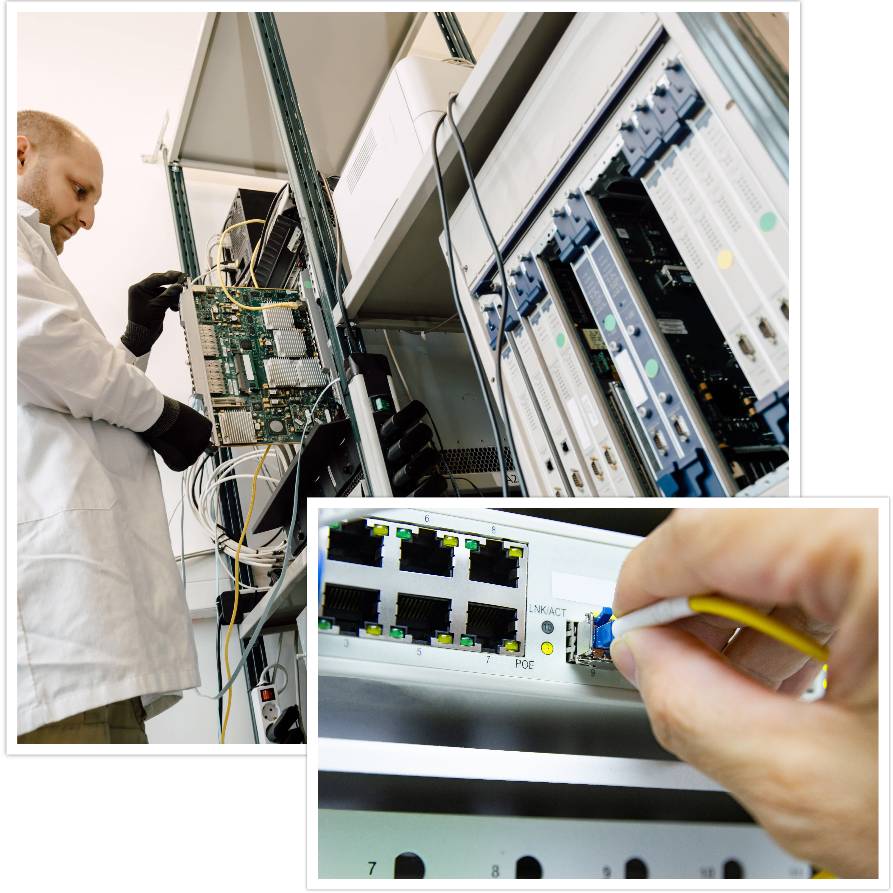
The quality of fiber optic cables plays an essential function in ensuring optimal performance of optical transceivers. A respectable fiber optic cables supplier offers premium cables that decrease signal loss and maximize transmission speed. This synergy between cable televisions and transceivers enhances total network flexibility.
How Compatible Optical Transceivers Enhance Network Flexibility
Compatible optical transceivers provide amazing advantages that contribute considerably to the flexibility of networks. By permitting companies to mix and match different networking hardware components, they offer unequaled flexibility to changing service demands.
Seamless Interoperability
One of the main benefits of suitable optical transceivers is their ability to work with various brands and designs of networking equipment. This interoperability simplifies upgrades and growths, making it simpler for business to adjust their networks without needing to invest heavily in brand-new hardware.
Cost-Effective Solutions
Using suitable optical transceivers can cause substantial expense savings. Instead of being locked into proprietary products from particular producers, business can choose from a range of suppliers, including those using competitive prices without jeopardizing on quality.
Enhanced Scalability
As businesses grow, their networking needs progress. Compatible optical transceivers facilitate simple scalability by enabling organizations to include or replace elements as needed without revamping whole systems. This flexibility ensures that networks can expand seamlessly alongside service growth.
The Role of Open Network Changes in Enhancing Flexibility
What Are Open Network Switches?
Open network switches are designed with open standards in mind, allowing users to customize and modify them according to their particular requirements. They play a considerable function in cultivating development within business networks by allowing combination with different software-defined networking (SDN) solutions.
Benefits of Using Open Network Switches
Vendor Neutrality: Organizations can select from a variety of suitable optical transceivers without being restrained to one vendor. Customization: Tailor-made options allow services to optimize their networks according to special functional needs. Cost Effectiveness: The use of open standards typically leads to decreased expenses due to increased competitors among suppliers.Telecom and Data-Com Connectivity: A Synergistic Relationship
Importance of Telecom Connectivity
Telecom connection refers to the interaction frameworks that allow voice and information services across huge ranges. It relies greatly on robust infrastructure supported by sophisticated innovations like compatible optical transceivers.
Data-Com Connectivity: The Foundation of Digital Communication
Data-com connectivity focuses on transferring data within regional area networks (LANs) or broad location networks (WANs). The integration of suitable optical transceivers improves this ability by guaranteeing high-speed data transmission with minimal latency.
Enterprise Networking Hardware: A Critical Component
Defining Enterprise Networking Hardware
Enterprise networking hardware includes routers, switches, firewall softwares, and other devices vital for handling network traffic effectively. The interaction between these devices and compatible optical transceivers significantly adds to overall network performance.
Choosing the Right Hardware for Optimal Performance
When selecting enterprise networking hardware, Fiber optic cables supplier it's vital to consider compatibility with picked optical transceivers. Ensuring that all parts work harmoniously makes the most of throughput while minimizing downtime triggered by incompatibility issues.
How Compatible Optical Transceivers Improve Data Transmission Speeds
High Bandwidth Capabilities
Compatible optical transceivers support various bandwidth levels depending on application requirements-- from 1 Gbps up to 400 Gbps-- ensuring that companies keep quick information transmission speeds despite their functional scale or complexity.
Reduced Signal Loss Over Distances
One considerable benefit provided by fiber optics is decreased signal deterioration over long distances best open network switches compared to copper-based solutions. By utilizing high-quality suitable optical transceivers in addition to reliable fiber optic cabling from respected providers, services can attain effective long-distance communications without jeopardizing quality or performance.
Key Functions That Improve Compatibility in Optical Transceivers
Compatibility hinges upon a number of crucial features found within modern-day optical transceiver designs:
Hot-Swappable Capability: Facilitates easy installation/removal without powering down devices. Multi-Rate Assistance: Allows operation throughout multiple standards/technologies simultaneously. Digital Diagnostics Monitoring (DDM): Supplies real-time feedback regarding temperature/power levels allowing proactive management before failures occur. Wide Temperature level Variety: Makes sure steady operation even under varying ecological conditions which might otherwise impact performance adversely.These associates contribute substantially toward extending functionality across varied platforms enhancing general network versatility substantially!
FAQs
What are Compatible Optical Transceivers?
Answer: Suitable optical transceivers are devices that meet industry standards enabling them to function successfully with numerous brand names' equipment while providing similar efficiency qualities as proprietary designs however often at lower costs.
How do Open Network Switches boost flexibility?
Answer: Open network switches enable modification based on user requirements allowing mixed-vendor environments hence promoting interoperability leading towards increased functional efficiencies!
Why is choosing a credible Fiber Optic Cables Provider important?
Answer: Premium fiber optic cables reduce signal loss making sure optimal efficiency when coupled with compatible optical transmitters consequently improving overall reliability within your network setup!
Can I use Suitable Optical Transmitters interchangeably?
Answer: Yes! As long as they adhere strictly sticking towards industry-standard user interfaces they need to be interchangeable effectively amongst differing supplier platforms generally resulting either expense savings or improved functionality relying on your selected configuration!
What benefits does enterprise networking hardware provide?
Answer: Enterprise networking hardware facilitates efficient management/control over traffic streams assisting connection among endpoints supporting business operations therefore taking full advantage of performance while minimizing potential interruptions caused through inefficiencies present somewhere else within infrastructure setups!
How does making use of these innovations impact overall service success?
Answer: Embracing contemporary innovations like compatible optics integrated alongside robust facilities leads towards enhanced action times much better service delivery eventually resulting higher consumer satisfaction boosting brand name credibility & & commitment over time!
Conclusion
In conclusion, compatible optical transceivers play an indispensable role in enhancing network versatility for companies operating today amidst rapidly developing technological landscapes. Their ability not only allows seamless interoperability across varied hardware platforms but likewise enables cost-effective scalability while preserving high-performance standards throughout varied functional contexts. With necessary collaborations formed through reputable providers making sure top-tier quality products, organizations stand poised all set deal with future obstacles head-on with confidence empowered equipped leverage innovative advancements propelling them forward effectively browsing intricacies inherent digital age we discover ourselves immersed within!